
The main benefits of a rowing machine: a stronger heart, low-impact cardio, a full-body workout in one movement and a routine that fits the guidelines.
Benefits of a Rowing Machine: What the Evidence Says
A rowing machine gives you cardio that spares your joints and works your legs, back and arms in one movement.
That combination is why it earns a place in a home gym. This page covers what rowing does for you and what it asks in return. If you are weighing up a machine, three that Amazon dispatches and that are in stock come first.
Rowers to start with
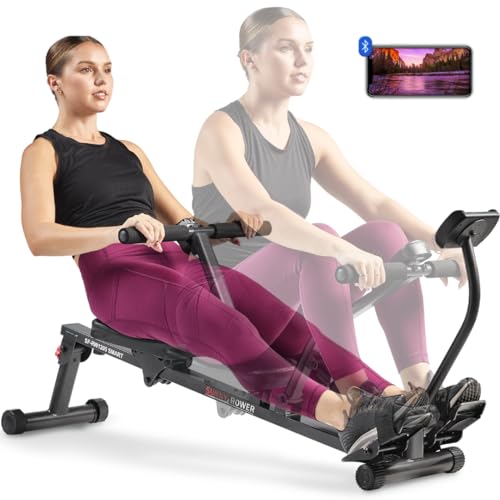
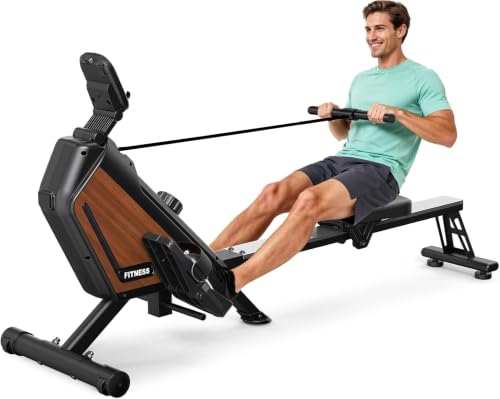
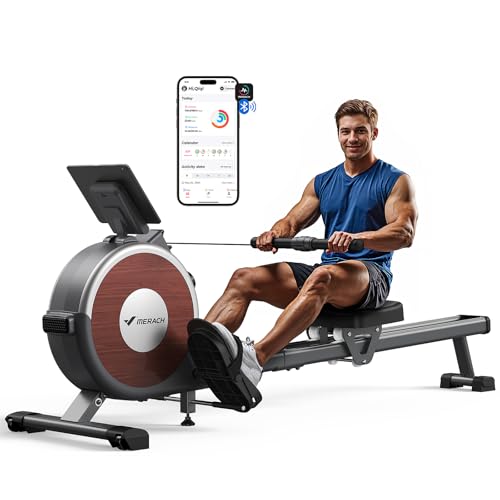
- It trains your heart Rowing is aerobic exercise, and Mayo Clinic lists a stronger heart and lower health risks among the benefits of aerobic activity.
- It is gentle on joints Your feet stay on the footplates, so there is no pounding. Healthline describes it as low-impact.
- It works the whole body Legs drive the stroke, and the back and arms finish it.
- It asks for good form Poor technique is where most problems start, so learn the stroke first.
A stronger heart and lungs
Rowing is aerobic exercise, the kind that raises your heart rate and keeps it there. Mayo Clinic lists a stronger heart, lower health risks and a lift in mood among the benefits of regular aerobic activity, and it says healthy adults need at least 150 minutes of moderate or 75 minutes of vigorous activity a week. The HSE gives the same figures for Ireland.
A rowing machine makes those minutes easy to log, because you can row at home whatever the weather.
Cardio without the pounding
Running sends a shock through the legs with every stride, which loads the ankles and knees. On a rowing machine your feet stay strapped to the footplates, so the effort goes into the stroke and not into the joints. Healthline calls it low-impact for that reason. It is a sensible option if you want sustained cardio but dislike the feel of running, or if you are building up after a break.
Low impact does not mean easy. A hard interval on a rower leaves you out of breath just as quickly.
A full-body workout in one movement
Each stroke starts with the legs and finishes with the back and arms. According to Healthline, the upper back, arms, shoulders, quadriceps, glutes and abdominals all work, and most of the power comes from the legs. That makes it an efficient use of a short session, since one machine covers what would otherwise take several. For the muscle-by-muscle detail, see our guide to the muscles a rowing machine works.
A routine that fits the guidelines
Ireland’s physical activity guidelines ask adults for 150 minutes of moderate activity a week, and muscle-strengthening work on at least two days. Rowing counts toward the aerobic target, and because it loads the legs and back it adds to the strengthening side, though it does not replace dedicated strength training. The Irish Heart Foundation recommends building regular activity into your week in the same way. Three sessions of 20 to 30 minutes covers roughly half of the 150-minute target.
Matching the benefit to the machine
| Price | Resistance | Best for | Storage | ||
|---|---|---|---|---|---|
|
Sunny Compact
Lowest cost
|
€121.77 | Hydraulic, 12 levels | Trying rowing cheaply | Compact, light | BUY NOW |
|
AeroMaze
Quiet, upright
|
€180.99 | Magnetic | Small homes and quiet use | Stands upright | BUY NOW |
|
MERACH magnetic
Mid-range
|
€269.99 | Magnetic, 16 levels | Regular weekly sessions | Folds, double rail | BUY NOW |
What rowing asks in return
It is physically demanding, and Healthline warns that poor form can lead to injury. Blisters on the hands are common at first. For the first sessions it suggests one or two ten-minute sets focused on form. Our technique guide walks through the stroke.
There are practical costs too. Air rowers are loud, and any rower takes up floor space, so check where it will live before you buy.
Where to read next
| If you want to know | Read |
|---|---|
| Which muscles rowing works | Muscles guide |
| How many calories a session burns | Calories guide |
| Whether it helps weight loss | Weight loss guide |
| How long to row each week | Weekly plan |
Is a rowing machine a good workout?
Yes. It combines aerobic effort with leg, back and arm work in one movement, and it is low-impact. It is demanding, so build up gradually.
Is rowing good cardio?
It is aerobic exercise, which Mayo Clinic links to a stronger heart and lower health risks. Row at a pace where you can still speak in short sentences for moderate effort.
How often should I use a rowing machine?
Three sessions of 20 to 30 minutes covers roughly half of the 150-minute guideline, so add more time or a longer session to reach it, plus a strength session or two.
Is it safe for people with back or joint problems?
It is low-impact, but form matters. If you have an existing back or joint condition, check with your GP or a physiotherapist before you start.
The short version
- Rowing trains the heart, spares the joints and works the whole body in one movement
- It asks for good technique and some floor space
If you want low-impact cardio you can do at home all year, a rowing machine is one of the better options.