
Rowing machines in Ireland made easy! Compare air, water, magnetic, and hydraulic rowers to find the perfect fit for your home and fitness goals.
Rowing machines have become one of the most practical and effective pieces of home fitness equipment available in Ireland. A well-chosen rower delivers full-body conditioning, strong cardiovascular stimulus, and low joint impact in a compact footprint suitable for most homes.

We have made this expert, equipment-focused perspective to help Irish buyers choose the right rowing machine for long-term home use.
How a Rowing Machine Works
A rowing machine simulates the biomechanics of on-water rowing through a repeated stroke cycle. Each stroke consists of four phases: the catch, drive, finish, and recovery. When performed correctly, rowing distributes effort across the legs, hips, core, and upper body rather than overloading any single joint.
Unlike many cardio machines that isolate movement patterns, rowing produces coordinated force generation. Roughly 60% of the power comes from the legs, 20% from the core, and 20% from the upper body. This makes rowing machines suitable for general fitness, fat loss, endurance training, and strength-endurance development.
Why Rowing Machines Are Well Suited to Home Use
- Low-impact movement suitable for most ages
- Minimal joint stress compared to running
- High calorie expenditure in limited time
- Compact storage options for modern homes
- Suitable for beginners and experienced athletes
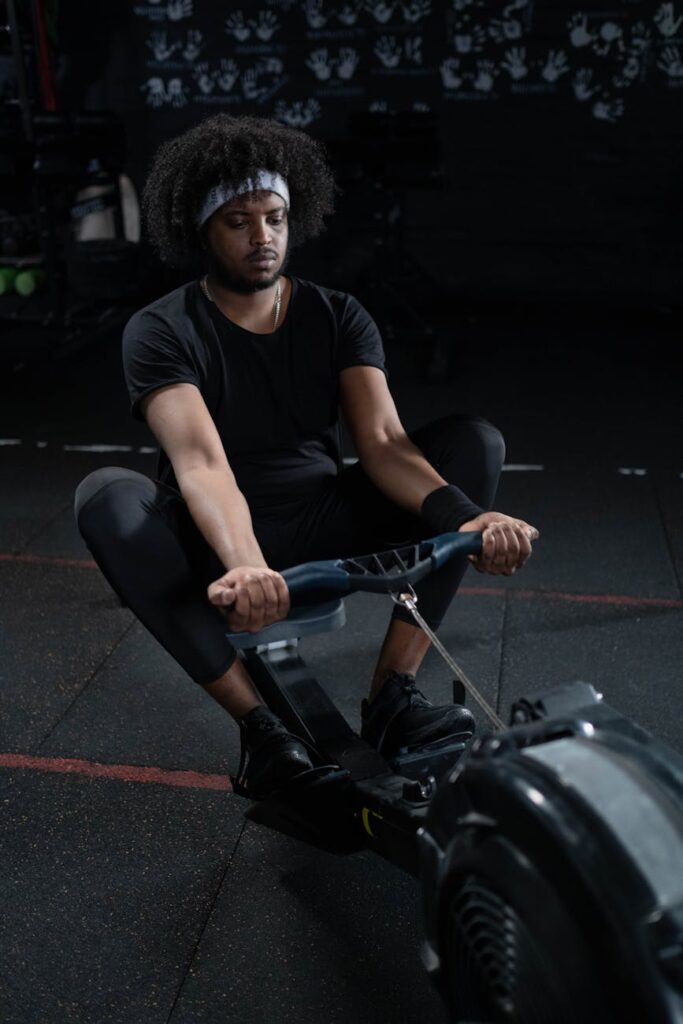
Types of Rowing Machines by Resistance
Air Resistance Rowers
Air rowers generate resistance using a flywheel and fan. The harder you pull, the greater the resistance. This self-regulating resistance closely matches real rowing dynamics and allows both beginners and advanced users to train on the same machine.
Pros: Durable, scalable resistance, excellent performance feedback.
Cons: Louder than other types, less suitable for noise-sensitive apartments.
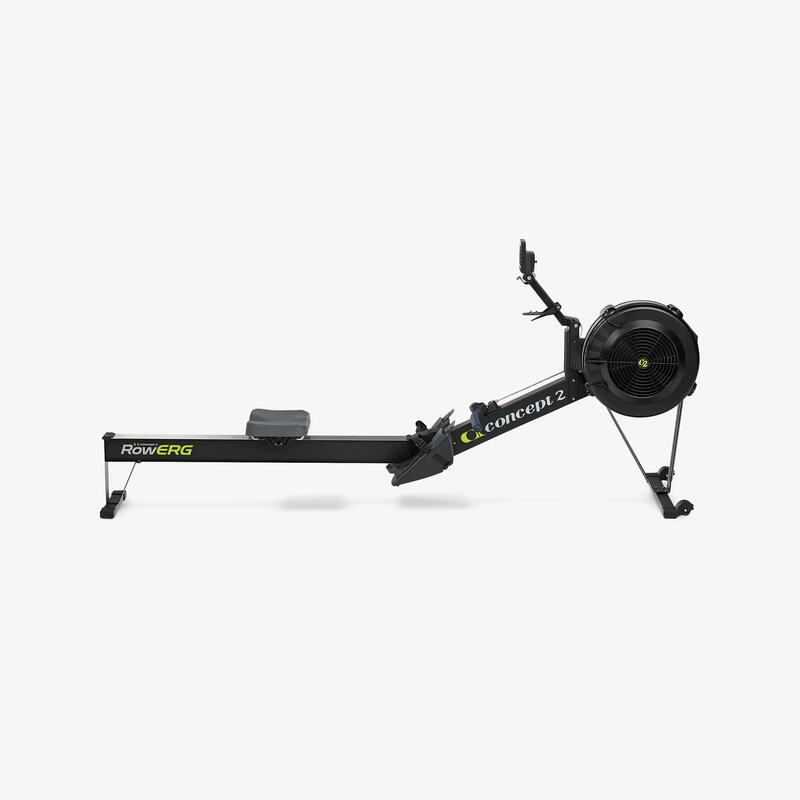
Concept2 D PM5 Rower
PM5 Performance Monitor | Industry benchmark
The best-known example of this category, used widely in clubs and gyms for serious training.
Magnetic Resistance Rowers
Magnetic rowers use adjustable magnets to control resistance. These machines are typically quieter and more compact, making them popular for home use in Irish households.
Pros: Quiet operation, adjustable resistance levels, lower maintenance.
Cons: Resistance feel is less dynamic than air or water.
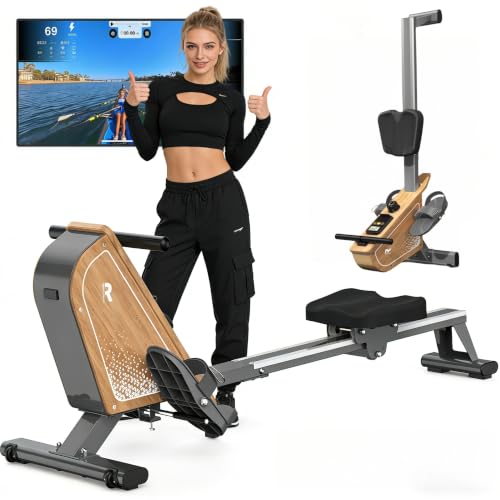
A foldable magnetic rower that suits quiet home training.
Water Resistance Rowers
Water rowers use paddles spinning through a water-filled tank. Resistance increases naturally with effort and provides a smooth, realistic stroke feel.
Pros: Natural resistance curve, quieter than air, aesthetically appealing.
Cons: Higher cost, periodic water maintenance required.
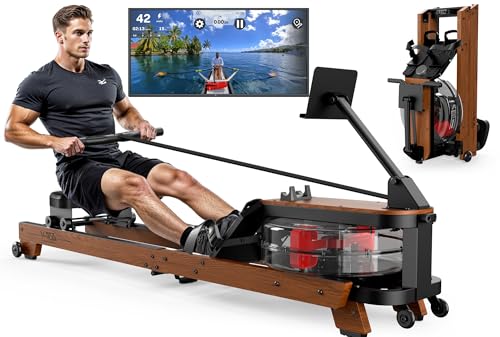
A water rower with the natural resistance feel this category is known for.
Hydraulic Resistance Rowers
Hydraulic rowing machines rely on pistons for resistance and are usually the most compact. These are typically entry-level machines.
Pros: Small footprint, low price.
Cons: Limited resistance range, less natural rowing motion.
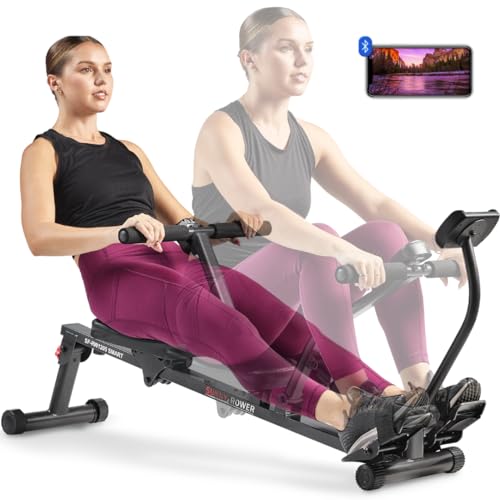
An affordable, compact hydraulic rower for light home use.
Ergo Rowing Machines
An “ergo” or ergometer rowing machine is designed to track performance metrics such as distance, stroke rate, watts, and calories.
These machines are particularly valued by serious home athletes and competitive rowers because they allow precise monitoring of training progress and intensity.
Most ergometers use air or magnetic resistance and are compatible with training apps for structured workouts. While they are slightly more expensive than basic home rowers, an ergo machine provides a data-driven approach to indoor rowing that can improve technique, consistency, and endurance.
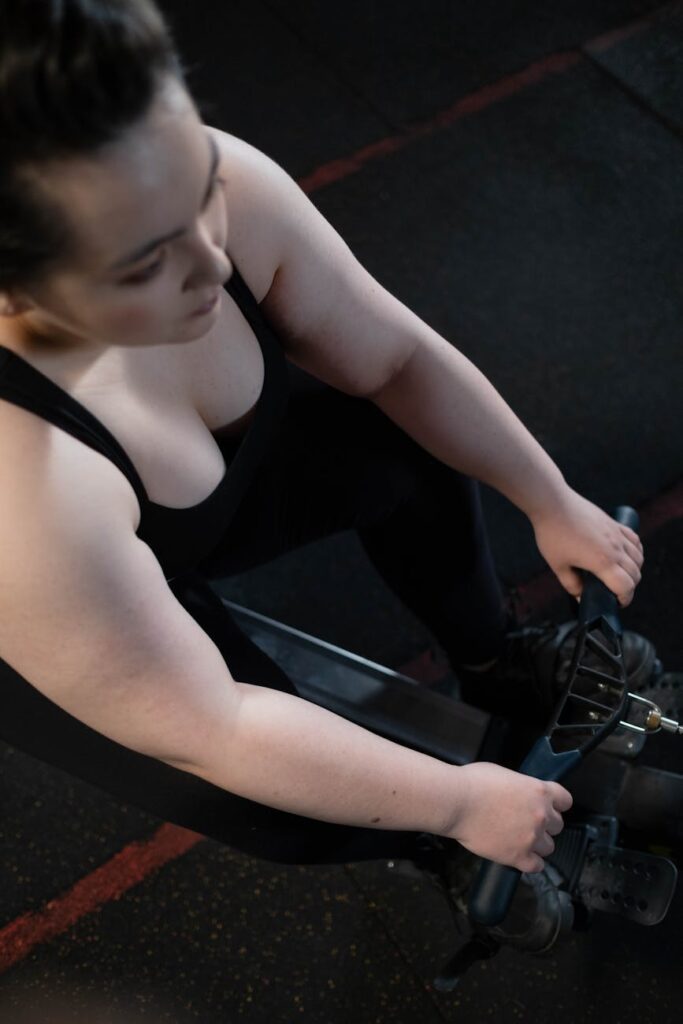
Comparison: Resistance Types
| Type | Noise | Resistance Feel | Maintenance | Best For |
|---|---|---|---|---|
| Air | High | Dynamic | Low | Performance training |
| Magnetic | Very Low | Fixed levels | Very Low | Quiet home use |
| Water | Low | Natural | Moderate | Realistic rowing feel |
| Hydraulic | Low | Limited | Moderate | Occasional beginners |
Best Home Rowing Machines – Key Features That Matter
Build Quality and Frame Strength
Look for steel or reinforced aluminium frames with a stable rail design. Maximum user weight ratings are a reliable indicator of overall durability.
Seat, Rail, and Footrests
A smooth seat glide, long rail length, and adjustable footplates are critical for correct biomechanics, particularly for taller users.
Console and Training Data
Useful metrics include stroke rate, distance, time, watts, and estimated calories. Advanced users benefit from interval programming and heart-rate compatibility.
Connectivity
Many modern rowers support Bluetooth connectivity for training apps. This is optional rather than essential for effective training.
Storage and Space
Foldable frames or vertical storage are important in Irish homes where space is limited. Always check ceiling height if storing upright.
Well-Known Global Rowing Machine Models
Some rowing machines have become reference standards in gyms, rowing clubs, and serious home setups. These models are often used as benchmarks for durability, data accuracy, and stroke feel.
- High-performance air resistance rowers used in competitive training
- Premium water resistance machines designed for realism and aesthetics
- Commercial-grade models found in professional facilities
Even if not purchased directly, understanding these benchmark machines helps buyers evaluate the quality and limitations of more affordable home alternatives.
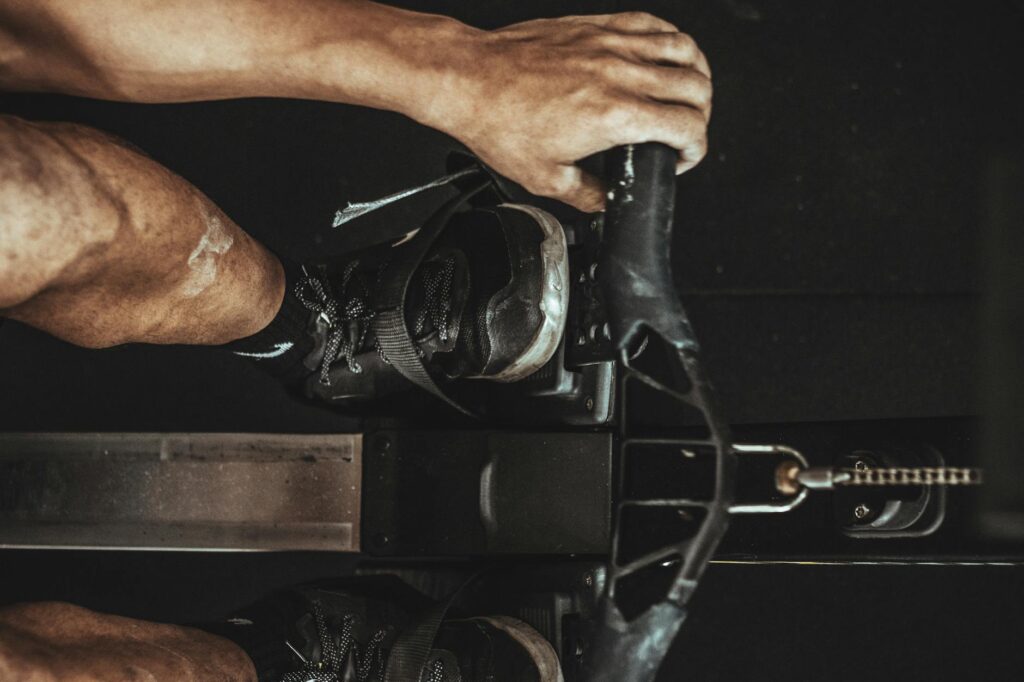
Top Rowing Machine Brands Worldwide by Resistance Type
| Air Resistance |
|
| Water Resistance |
|
| Magnetic Resistance |
|
| Hydraulic Resistance |
|
Popular Amazon.ie Home Rowing Machines
Amazon.ie carries a wide selection of magnetic and water resistance rowing machines aimed at home users. These machines typically prioritise compact design, quiet operation, and ease of assembly.
Typical Characteristics
- Magnetic resistance with 8–16 levels
- Foldable rowing machines or vertical storage designs
- Basic to mid-level performance consoles
- Lower price points suitable for beginners
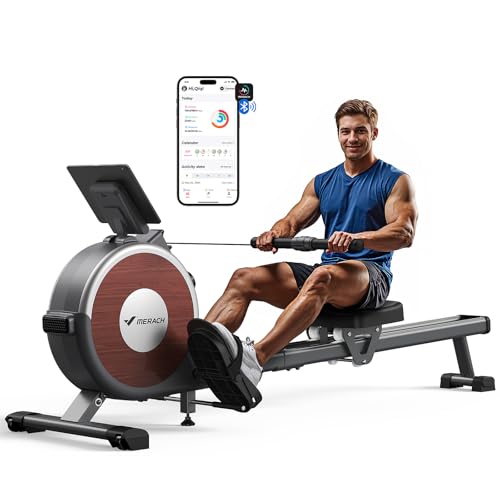
A well-regarded example of this style — double slide rails and a 158kg capacity.
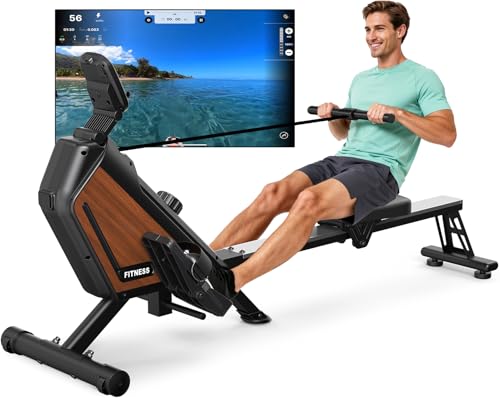
A quieter option worth considering if floor space and noise are a priority.
Comparison: Well-Known vs Amazon-Focused Models
| Category | Benchmark Models | Popular Home Models |
|---|---|---|
| Durability | Commercial-grade | Home-grade |
| Resistance | Dynamic / Natural | Fixed / Adjustable |
| Noise | Moderate to High | Low |
| Price | High | Low to Mid |
Rowing Technique for Injury Prevention
Incorrect rowing technique is the primary cause of discomfort and injury. Common mistakes include early arm pull, rounded lower back, and excessive stroke rate.
- Drive with the legs first
- Maintain a neutral spine
- Control the recovery phase
Training Goals and Programming
Weight Loss
Short, high-intensity intervals combined with steady-state sessions produce strong calorie expenditure beneficial for weight loss and losing belly fat.
Cardiovascular Fitness
Longer steady rows at moderate intensity improve aerobic capacity and endurance.
Strength-Endurance
Higher resistance with controlled stroke rates develops muscular endurance.

Maintenance and Longevity
- Clean rail and seat weekly
- Check bolts and fasteners periodically
- Maintain water levels if applicable
Safety Considerations
Rowing machines are generally safe, but users with existing back or joint issues should seek professional guidance before beginning structured training.
Correct rowing technique and appropriate training structure are essential for both performance and injury prevention.
Rowing machines are highly effective for full-body cardio workouts, improving both endurance and strength while remaining low-impact.
The Sport Ireland Institute highlights the benefits of structured cardio equipment for fitness, while the Irish Heart Foundation recommends regular aerobic exercise, such as rowing, for heart health and overall wellbeing.
Expert Verdict
Rowing machines offer one of the best combinations of efficiency, versatility, and joint safety available in home fitness equipment. Irish buyers should prioritise build quality, resistance type, and storage practicality over unnecessary features.